To truly experience Singapore’s incredible food scene, you must visit a hawker centre. These bustling food courts are the heart and soul of the city’s culinary culture. They offer an unmissable, authentic, and wonderfully affordable dining experience. For a first-time visitor, the sheer number of stalls, the lively atmosphere, and the unfamiliar dishes can seem a little overwhelming. This guide will demystify the entire process.
Visiting a hawker centre is one of the top 10 things to do in Singapore, and this guide will help you order like a pro. Soon, you will be navigating these vibrant food hubs with the confidence of a local, ready to discover your new favorite meal.
What is a Hawker Centre?
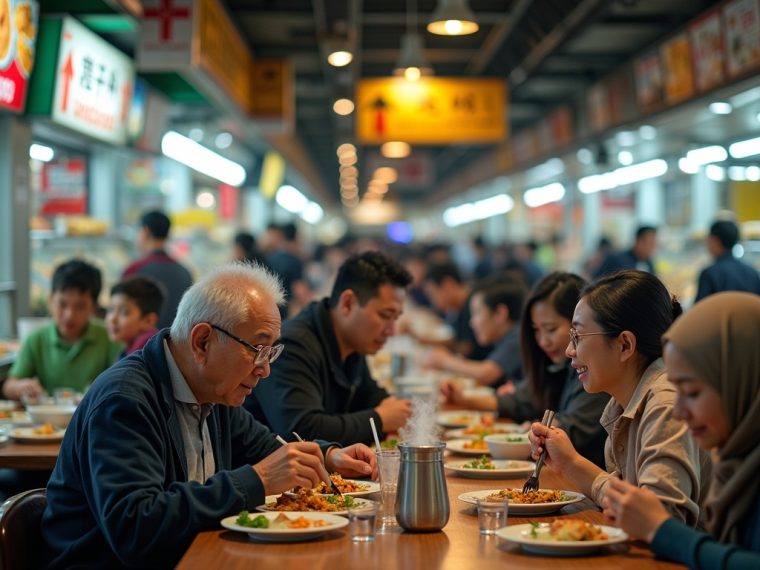
A hawker centre is a large, open-air complex that houses dozens, sometimes hundreds, of small, independent food stalls. Each stall is typically a family-run business that specializes in just a few specific dishes. This specialization is their secret to success. Instead of offering a wide menu, they have often perfected their one or two signature dishes over generations. Think of it as a massive food festival where every vendor is an expert in their craft.
These centres are a cornerstone of Singaporean daily life. They are much more than just a place to eat; they are community dining rooms. They are where people from all walks of life, from office workers in suits to families in shorts and t-shirts, come together to enjoy delicious and affordable food. The atmosphere is casual, lively, and always filled with the amazing aromas of woks sizzling and broths simmering. Eating at a hawker centre is a core part of the complete guide to visiting Singapore. It is where you will taste the real Singapore.
The history of hawker centres is fascinating. They were first established in the 1970s by the government to house the thousands of street food vendors, or “hawkers,” who used to sell food from carts on the streets. This initiative was designed to improve sanitation and hygiene while preserving the city’s rich street food heritage. Today, they stand as a proud symbol of Singapore’s multicultural society.
How to Order: A Step-by-Step Guide
The process of dining at a hawker centre is simple and efficient once you understand the local customs. It might seem chaotic at first, but there is an unspoken order to it all. Follow these four easy steps for a smooth and enjoyable meal.
Step 1: “Chope” Your Table
During the busy lunch and dinner hours, finding an empty table can be a real challenge. This is where the unique and fascinating local custom of “chope-ing” comes in. To reserve your spot, you simply place a non-valuable personal item on the table. The most common item used is a small packet of tissues. You will also see people using umbrellas, lanyards, or name cards.
This simple act signals to everyone else that the table is taken while you go and order your food. It is a wonderfully practical and widely respected system built on trust. Just be sure not to leave anything valuable like your phone or wallet.
Step 2: Browse the Stalls
With your table secured, it is time for the fun part: deciding what to eat. Take a slow walk around the hawker centre to see what is on offer. The variety can be staggering, with stalls serving Chinese, Malay, Indian, and Peranakan cuisines, all side by side. You will find everything from noodle dishes and rice bowls to grilled meats, soups, fresh juices, and desserts.
A great tip for finding the best food is to follow the locals. Look for the stalls with the longest queues. A long line of Singaporeans patiently waiting is almost always a guarantee that the food is excellent and worth the wait.
You should also look for the mandatory food hygiene grade certificate displayed at each stall. These are graded from A to D, with A being the best for cleanliness and food handling practices. Most stalls have an A or B grade, so you can be confident in the safety of the food you are eating.
Step 3: Order and Pay
Once you have made your choice, simply go to the stall and place your order with the hawker, who is often the owner and chef. Menus are usually displayed prominently with pictures and prices, so it is easy to point to what you want if you are unsure of the name.
It is essential to have cash on hand. The vast majority of hawkers only accept cash payments. While some stalls in more modern or tourist-heavy centres are beginning to accept QR code payments, cash remains the most reliable and universally accepted option. Prepare small notes like $2, $5, and $10 for easier transactions.
Step 4: Self-Service for Trays
After you have finished your delicious meal, you are expected to return your tray, plates, and cutlery to a designated tray return station. These stations are clearly marked and located all around the hawker centre. This self-service system helps keep the tables clean and available for the next group of diners. It is now a mandatory practice, and government regulations mean that diners who do not clear their trays can face fines.
Once you are confident with the process, you will be ready to try some of the 10 must-try local foods in Singapore. Many of these famous dishes are found in their most authentic and delicious form at these very centres.
Famous Hawker Centres to Visit
While there are excellent hawker centres in every neighborhood, a few have become iconic destinations that are worth seeking out.
Maxwell Food Centre is located in the vibrant Chinatown district and is one of the most famous in Singapore. It is home to several legendary stalls, including the Tian Tian Hainanese Chicken Rice. This stall earned a Michelin Bib Gourmand and was famously praised by chef Anthony Bourdain.
Lau Pa Sat, with its beautiful Victorian-era cast-iron structure, is another must-visit. Located in the heart of the Central Business District, it is a stunning setting to enjoy a meal. In the evening, the street outside is closed to traffic and transforms into “Satay Street.” Numerous stalls grill delicious meat skewers over open charcoal fires, filling the air with an irresistible smoky aroma.
Chinatown Complex Food Centre is the largest hawker centre in Singapore, with over 260 food stalls. It is a fantastic place to get lost and discover hidden gems. It is also home to the world’s first Michelin-starred hawker stall, Liao Fan Hong Kong Soya Sauce Chicken Rice & Noodle.
Singapore’s Hawker Culture is so significant and integral to the national identity that it has been officially inscribed on the UNESCO Representative List of the Intangible Cultural Heritage of Humanity. This global recognition highlights its importance as a living heritage that brings people together.
A Taste of Authentic Singapore
Hawker centres are much more than just a place to eat. They are a vibrant and essential part of Singapore’s culture, heritage, and social fabric. They offer the best and most authentic way to experience the city’s incredible culinary diversity at a price that cannot be beaten. For any visitor, a meal at a hawker centre is a truly memorable experience that connects you to the heart of local life.