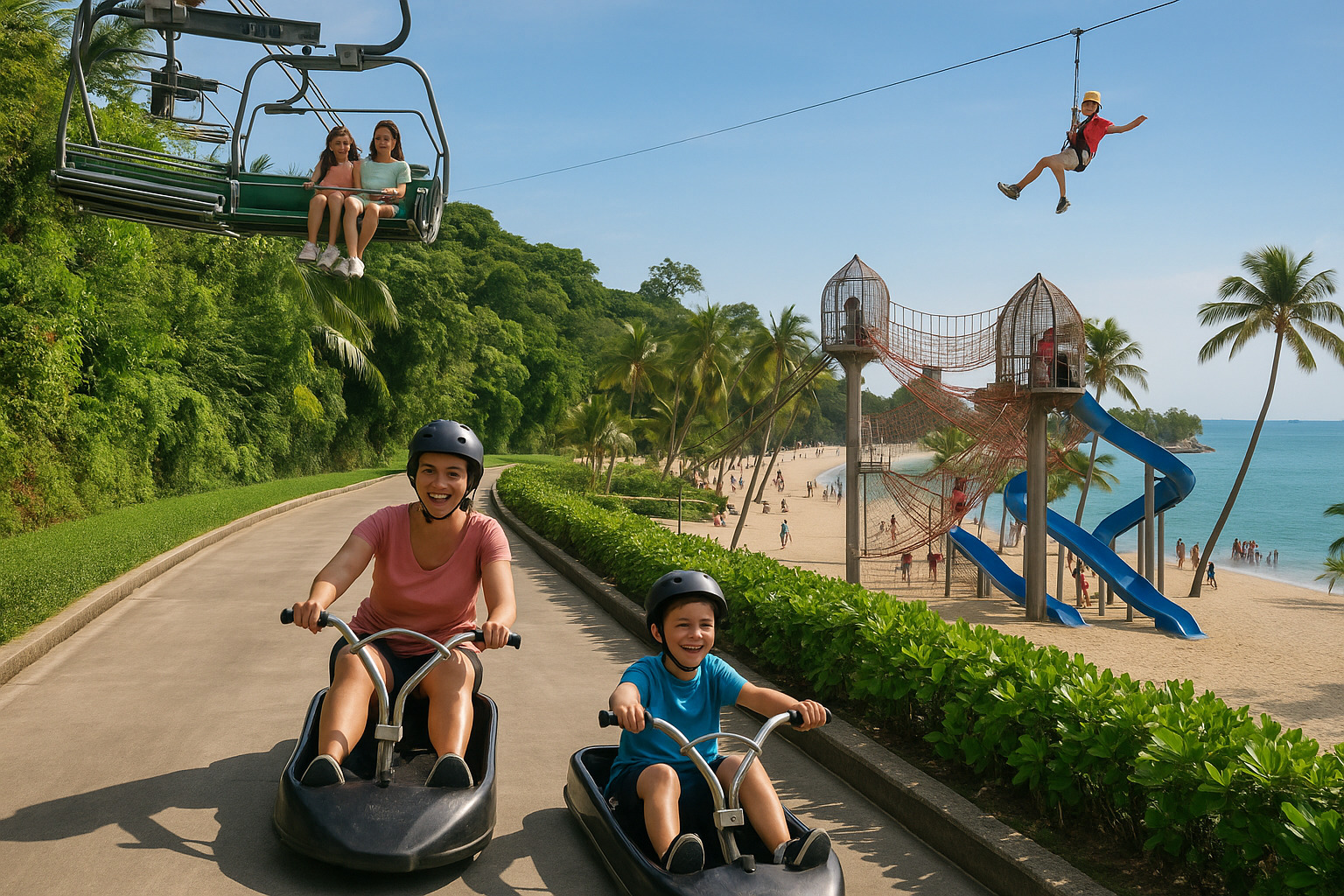
Sentosa days feel short, even when you arrive early. Cable cars glide overhead, beaches sparkle, and ticketed attractions quietly count down to their entry windows. The island rewards visitors who think in minutes, not vague blocks of morning or afternoon. Timing shapes whether your day feels relaxed or packed with small stresses that add up.
Before rides, beaches, or shows even begin, it helps to anchor yourself to the current time in Singapore. That reference point matters more than people expect. Tickets, dining reservations, and transport all move on local time, not on how rested or excited you feel. Once your clock is aligned, the rest of the day becomes easier to shape.
This article breaks Sentosa planning into clear layers. Entry slots come first. Buffer time keeps plans flexible. Meal windows protect energy. Small countdowns keep everything flowing without the feeling of being chased. Think of it as building a day that bends without breaking.
Quick Timing Snapshot
A smooth Sentosa day balances booked slots with breathing room. Start with fixed times, add buffers, protect meals, and track countdowns quietly in the background. The goal is flow, not speed.
Start With Fixed Attraction Slots
Many Sentosa highlights now run on timed entries. Ocean exhibits, cable cars, guided walks, and popular rides often assign specific windows. These are the immovable pieces of your day. Everything else should flex around them rather than compete with them.
A useful first step is writing every confirmed time in a simple list. Morning slots first, then early afternoon, then evening. Seeing them together reveals pressure points quickly. Two bookings too close together stand out immediately.
To avoid underestimating travel and walking time, it helps to understand how attractions are spread across the island. Using a visual reference like this Sentosa attractions map makes timing decisions clearer. Distances that look short on paper can feel longer under the sun.
Build Buffers That Absorb Reality
Buffer time is what separates a calm itinerary from a fragile one. Ferries pause. Trams arrive full. Lines move slower than expected. Without buffers, each small delay creates a chain reaction that eats into later plans.
A practical approach is adding fifteen to twenty minutes between major activities. During school holidays or weekends, thirty minutes works better. These buffers are not empty. They are breathing space that lets the day adjust naturally.
Buffers also give room for moments you did not plan. A shaded bench that feels inviting. A shop window that catches your eye. These pauses often become quiet highlights rather than wasted minutes.
Protect Meal Windows Like Appointments
Meals anchor energy and mood. Skipping them or pushing them too late affects focus and patience. On Sentosa, where walking and heat combine, this impact is amplified.
Plan lunch and dinner windows early, even before choosing specific restaurants. A protected window of forty five to sixty minutes prevents rushed eating and keeps the rest of the schedule intact.
Morning fuel matters too. Starting the day underfed often leads to slower movement and shorter tempers by mid morning. Treat breakfast as part of the plan, not an afterthought.
Use Countdown Thinking Instead of Clock Watching
Constantly checking the clock creates low level tension. Countdown thinking changes the question from what time is it to how long remains before the next commitment. That shift feels calmer and more actionable.
Quiet tools help support this habit. Setting an online timer for travel segments or rest breaks removes mental load. The timer runs silently while you enjoy the moment. When it ends, you move on without rushing.
Countdowns work especially well for beach time and rest stops. It is easy to lose track under the sun. A gentle alert prevents accidental overstay that eats into later plans.
Order Activities by Energy, Not Popularity
Many visitors try to tackle the biggest attractions first. That approach ignores how energy shifts throughout the day. High focus experiences fit best in the morning when attention is sharp.
Slower activities work better later. Scenic walks, casual shopping, and relaxed dining feel more enjoyable once the pace softens. Evening shows or waterfront strolls close the day without draining what energy remains.
Planning by energy reduces frustration. You stop blaming crowds or heat and start matching activities to how your body actually feels at different times.
A Simple Day Plan Builder Framework
Rather than filling every hour, build the day in layers. Each layer supports the next. This keeps the plan resilient even when something shifts.
- List all fixed time attractions in order.
- Add buffers before and after each fixed slot.
- Block meal windows early in the outline.
- Fill remaining gaps with flexible activities.
- Assign quiet countdowns to key transitions.
This structure leaves room for spontaneity. It also prevents the common mistake of stacking too many commitments back to back.
Transport Time Is Part of the Experience
Moving across Sentosa takes longer than many first time visitors expect. Trams have waits. Paths curve. Elevation changes slow walking speed.
Factoring transport into the plan prevents last minute dashes. Understanding how buses, trams, and walking routes connect helps estimate realistic transfer times. This overview of getting around Sentosa gives a solid sense of those rhythms.
Transport buffers also protect meal and rest windows. They absorb boarding delays without forcing you to rush through the next activity.
Sample Timing Table With Visual Cues
| Time Block | Activity Type | Energy Level | Buffer Added |
|---|---|---|---|
| 09:00 to 10:30 | Indoor attraction | High | 15 minutes |
| 10:45 to 11:30 | Transport and walk | Medium | 20 minutes |
| 12:00 to 13:00 | Lunch | Recovery | Protected |
| 13:30 to 15:00 | Outdoor walk | Low | 30 minutes |
Why Local Time Accuracy Shapes the Whole Day
Singapore operates on a single national time standard. Entry windows, transport schedules, and reservations follow it precisely. Arriving even ten minutes late can close a door you expected to walk through.
That precision is part of what keeps large attractions running smoothly. General background on how local time is defined and maintained can be found through Time in Singapore. Understanding this context explains why punctuality matters on the island.
That precision is part of what keeps large attractions running smoothly. Singapore follows a clearly defined national time standard, aligned with UTC+08, which governs transport schedules and ticketed entry windows. An overview of this system is outlined in Singapore Standard Time, helping explain why punctuality carries real consequences on the island.
When your plan respects local time, stress drops. Expectations align with reality, and the day feels controlled rather than hurried.
Ending the Day Feeling Complete
A well timed Sentosa day ends with calm, not exhaustion. Evening plans should feel lighter, allowing space to reflect on what you enjoyed most.
By anchoring to local time, protecting buffers, and using countdowns quietly, the schedule supports you instead of pushing you. You notice more. You rush less. Entry slots feel like guides rather than limits.
Timing does not remove freedom. It protects it. When structure holds, small surprises become highlights instead of problems.