Sentosa often looks deceptively simple. One island. Clear transport links. Attractions that appear close together on a map. Yet once you arrive, time starts behaving differently. Breakfast lingers longer than expected. Walking distances feel longer under the sun. Queues expand and contract without warning. A casual beach stop quietly becomes a full afternoon.
Many visitors leave feeling puzzled. They arrived early. They planned ahead. Still, the day felt rushed. The issue is rarely effort. It is pacing. Sentosa rewards visitors who manage time as a flow rather than a checklist.
A time block approach keeps the day grounded. Instead of locking activities to exact minutes, you work with flexible windows. You stay aware of how much time remains before the next anchor, and how long ago you last paused. A simple time calculator helps translate those moments into something clear and calm, without turning the day into a constant countdown.
Quick Day-Trip Summary
This guide explains how to plan a Sentosa day trip using flexible time blocks. You will learn how to anchor key moments, adjust pace as conditions change, protect energy levels, and finish the day feeling relaxed rather than rushed.
Why Time Blocks Suit Sentosa Perfectly
Sentosa combines very different experiences in a compact space. Beaches, thrill rides, nature walks, dining hubs, and indoor attractions all compete for attention. Trying to squeeze these into a rigid timeline creates tension almost immediately.
Time blocks remove that tension. Each block has a purpose rather than a strict end time. A morning block focuses on movement and exploration. A midday block focuses on recovery. An afternoon block allows choice. You move forward when a block feels complete, not when a clock demands it.
This structure also reduces decision fatigue. Instead of constantly checking the time, you ask simpler questions. Is this block finished? Do we have enough time left for the next one? Those questions keep the day flowing smoothly.
Anchoring the Day Before You Even Arrive
Every successful day trip starts with anchors. Anchors are moments that cannot easily move. Arrival time. A booked attraction. A dining reservation. A return transport slot. These points shape everything else.
Arrival is your first anchor. The moment you step onto Sentosa marks the start of the day. From that point, you measure forward rather than backward. This mental shift helps prevent the feeling of constantly running late.
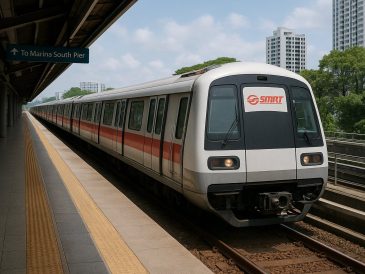
Accurate travel expectations matter here. Understanding Sentosa transport options helps you estimate transitions realistically and avoid stacking activities too tightly.
Designing a Morning Block That Builds Momentum
Morning hours are precious. Energy is high. Temperatures are kinder. Crowds are lighter. This block is ideal for activities that involve walking, standing, or waiting.
Resist the urge to overpack the morning. One major attraction is often enough. Adding too much creates pressure that spills into the rest of the day. A short buffer after the main activity absorbs delays without stress.
Spatial awareness makes this easier. Reviewing a Sentosa attractions map allows you to group nearby stops into one coherent block rather than zigzagging across the island.
Midday Blocks That Restore Rather Than Drain
Midday is where many Sentosa plans quietly fall apart. Heat peaks. Hunger arrives suddenly. Lines lengthen. Treating lunch as a flexible recovery block changes the tone of the entire day.
Instead of fixing lunch to a precise time, treat it as a window. When the morning block ends, lunch begins. If the attraction runs long, lunch shifts later. If it finishes early, lunch starts sooner. Either way, the day stays balanced.
Beginning near Sentosa breakfast spots can also smooth the midday transition by spreading dining across the day rather than compressing it into one crowded hour.
Tracking Time Since Your Last Pause
One habit dramatically improves pacing. Track how long ago you last rested, ate, or sat down. This reveals fatigue earlier than watching the clock.
If it has been several hours since your last pause, the next block should slow down. Ignoring this signal often leads to rushed decisions and shortened evenings.
This approach keeps the schedule human. The plan responds to how people actually feel, not just what looks good on paper.
Choosing Afternoon Activities With Time Remaining
Afternoons bring the most options. Beaches. Indoor attractions. Casual shopping. Relaxation spots. This is where time remaining becomes more useful than absolute time.
Knowing you have a clear window before the final anchor makes decisions simpler. Choose experiences that fit comfortably within that space. Avoid anything likely to overrun and compress the evening.
Families benefit greatly here. Children move in energy waves. A calmer afternoon block often preserves enough energy for a pleasant evening instead of a tired exit.
Typical Time Blocks That Work Well
- Arrival and orientation block
- Primary attraction block
- Food and recovery block
- Optional activity block
- Evening wind down block
These blocks stay consistent even as activities change. You replace content, not structure. That consistency makes repeat visits easier and more relaxed.
Visual Guide to Time Blocks
| Block | Purpose | Flex Level |
|---|---|---|
| Morning | Exploration and movement | Medium |
| Late Morning | Main attraction | Low |
| Midday | Food and rest | High |
| Afternoon | Optional experiences | Medium |
Adjusting Blocks for Weather and Crowd Patterns
Weather shifts do not ruin a Sentosa day when time blocks are flexible. Outdoor activities move indoors. Walking routes shorten. Rest blocks extend naturally.
Crowds follow predictable patterns. Mornings concentrate at entry points. Afternoons gather near beaches. Evenings spread across dining areas. Aligning blocks with these flows reduces friction without extra planning.
Advice from the Singapore Tourism Board reflects these rhythms and supports realistic expectations across the island.
Ending the Day With Energy to Spare
The final block shapes how the entire trip is remembered. Ending calmly matters more than squeezing in one last attraction. Build space here intentionally.
If you track how long ago you began winding down, you can leave while energy remains. That choice often makes the day feel complete rather than cut short.
When the System Becomes Second Nature
After one or two visits, time blocks fade into the background. You stop calculating. You sense when a block is complete. Decisions feel easier.
That is the goal. A scheduler that supports the experience without competing for attention. Sentosa rewards visitors who let time guide gently, allowing the island itself to take center stage.